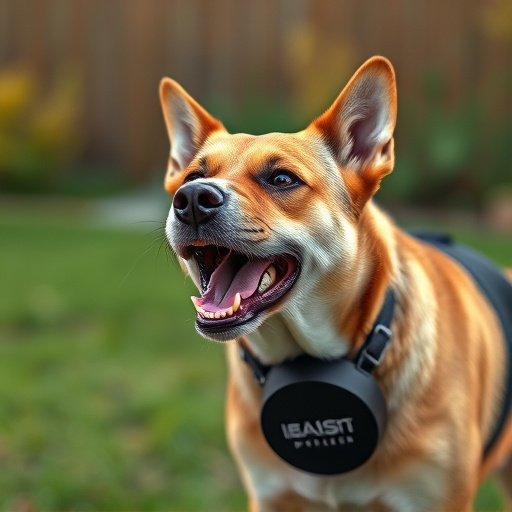
Understanding your dog's barking triggers and patterns is crucial for implementing an effective electronic bark prevention system. By using a Safe Power Levels Dog Deterrent, which emits harmless high-frequency sounds or vibrations, you can train your dog to respond positively and reduce unwanted barking without causing harm. Strategic sensor placement, regular testing, positive reinforcement, and consistent training are key to success.
“Unleash a quieter, more peaceful home with our guide to dog barking prevention electronic systems. Explore the science behind these safe power level dog deterrents and understand how they work without causing harm. From identifying your dog’s behavioral triggers to setting up a human-safe environment, we break down each step. Learn about consistent training methods to ensure effective bark control over time. Discover the key to reclaiming your space with this innovative yet gentle solution.”
- Understanding Dog Barking Behavior: Identifying Triggers and Patterns
- The Science Behind Electronic Bark Deterrents: Safe Power Levels Explained
- Implementing the System: Setting Up a Human-Safe Environment for Your Pet
- Training and Consistency: Ensuring Effective Bark Control Over Time
Understanding Dog Barking Behavior: Identifying Triggers and Patterns
Understanding dog barking behavior is a crucial step in implementing an effective electronic system for prevention. Dogs bark for various reasons, ranging from communicating distress or territorial claims to seeking attention or expressing excitement. By identifying specific triggers and patterns, pet owners can better navigate their canine companion’s needs. Triggers may include unfamiliar sounds, sudden movements, or the presence of other animals, while patterns could be consistent daily routines or specific times of the day when barking becomes more pronounced.
Recognizing these cues is essential in determining the appropriate use of a safe power-level dog deterrent. Such systems should be designed to address the underlying causes without causing harm or distress to the animal. Through careful observation and adjustment, owners can train their dogs to understand and respond positively to these deterrents, ultimately reducing unwanted barking.
The Science Behind Electronic Bark Deterrents: Safe Power Levels Explained
Electronic bark deterrents have gained popularity as a humane and effective solution to manage excessive dog barking. The science behind these devices focuses on applying safe power levels to gently encourage good behavior. These systems emit a high-frequency sound or vibration that is typically inaudible to humans but irritating to dogs, prompting them to stop barking.
The key to their success lies in the precise control of safe power levels. Modern dog deterrents utilize technology to ensure the emitted signals are within harmless ranges. This approach avoids causing any physical harm or discomfort, making it a safe and ethical choice for training and behavior modification. By gently deterring barking, these electronic devices can help train dogs to understand appropriate vocalization without resorting to harsher methods.
Implementing the System: Setting Up a Human-Safe Environment for Your Pet
Implementing an electronic dog barking prevention system requires careful consideration to ensure it’s both effective and safe for your pet. The key is to set up a human-safe environment where your dog can learn appropriate behavior. These systems operate at safe power levels, designed to deter excessive barking without causing harm or discomfort. They typically use a combination of auditory signals and vibrations to alert dogs when they’re barking too much.
When setting up such a system, place the sensors strategically in areas where your dog tends to bark excessively, like near windows or gates. Ensure any devices are well-grounded to prevent electric shocks. Regularly test the system to ensure it’s functioning correctly and adjust settings as needed to avoid accidental activation. Most importantly, provide positive reinforcement when your dog remains quiet to encourage desired behavior, making the training process more effective and humane.
Training and Consistency: Ensuring Effective Bark Control Over Time
Training and consistency are key factors in ensuring an effective dog barking prevention system over time. It’s crucial to introduce the device as a positive reinforcement for desired behavior, rather than punishment for barking. Through consistent commands and rewards for quiet behavior, dogs can learn to associate certain environments or situations with reduced barking.
Utilizing safe power levels of a dog deterrent, such as a sound or vibration collar, can help teach your dog without causing harm or fear. By setting clear boundaries and maintaining regular training sessions, you can condition your dog to understand when it’s appropriate to bark and when it’s best to remain quiet. This approach fosters a calm environment for both the dog and its owners while addressing excessive barking at its root.
In addressing dog barking prevention, understanding your pet’s behavior and employing safe power levels in electronic deterrents are key. By identifying triggers, setting up a human-safe environment, and maintaining consistent training, you can effectively manage excessive barking over time. Integrating these strategies ensures a harmonious living space for both pets and their owners, harnessing the benefits of technology while prioritizing animal welfare. Safe power levels act as a responsible solution, providing an effective dog deterrent without causing harm or stress to your furry companion.